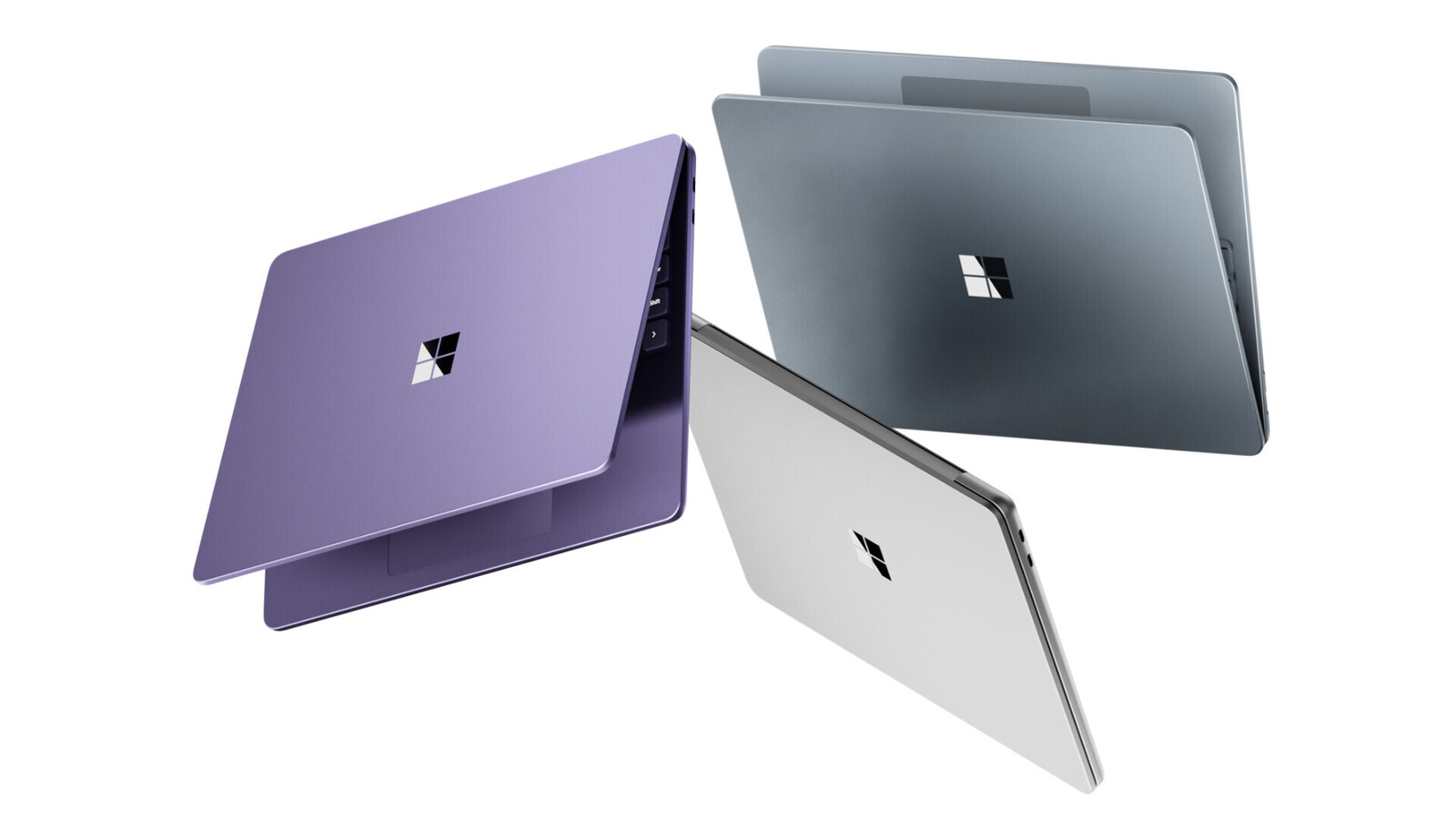
Introduction: Why the Surface Laptop Still Matters in 2026
If you've been shopping for a new Windows machine lately, you've probably noticed the market has gotten crowded and expensive. Between memory shortages driving up prices across the industry and a flood of "AI PC" marketing, it's hard to know which laptop actually deserves your money.
The Microsoft Surface Laptop remains one of the most recognizable names in premium Windows computing, and its 2026 lineup (the 8th Edition) brings real changes worth understanding before you buy. In this guide, you'll learn exactly what the current Surface Laptop offers, how its pricing has shifted, where it fits against workstation-class machines like the Dell Precision 5690, and how it stacks up conceptually against convertible designs like the Lenovo Yoga Book 9. By the end, you'll know whether it's the right laptop for your workflow or whether you should be looking elsewhere.
What Is the Microsoft Surface Laptop?
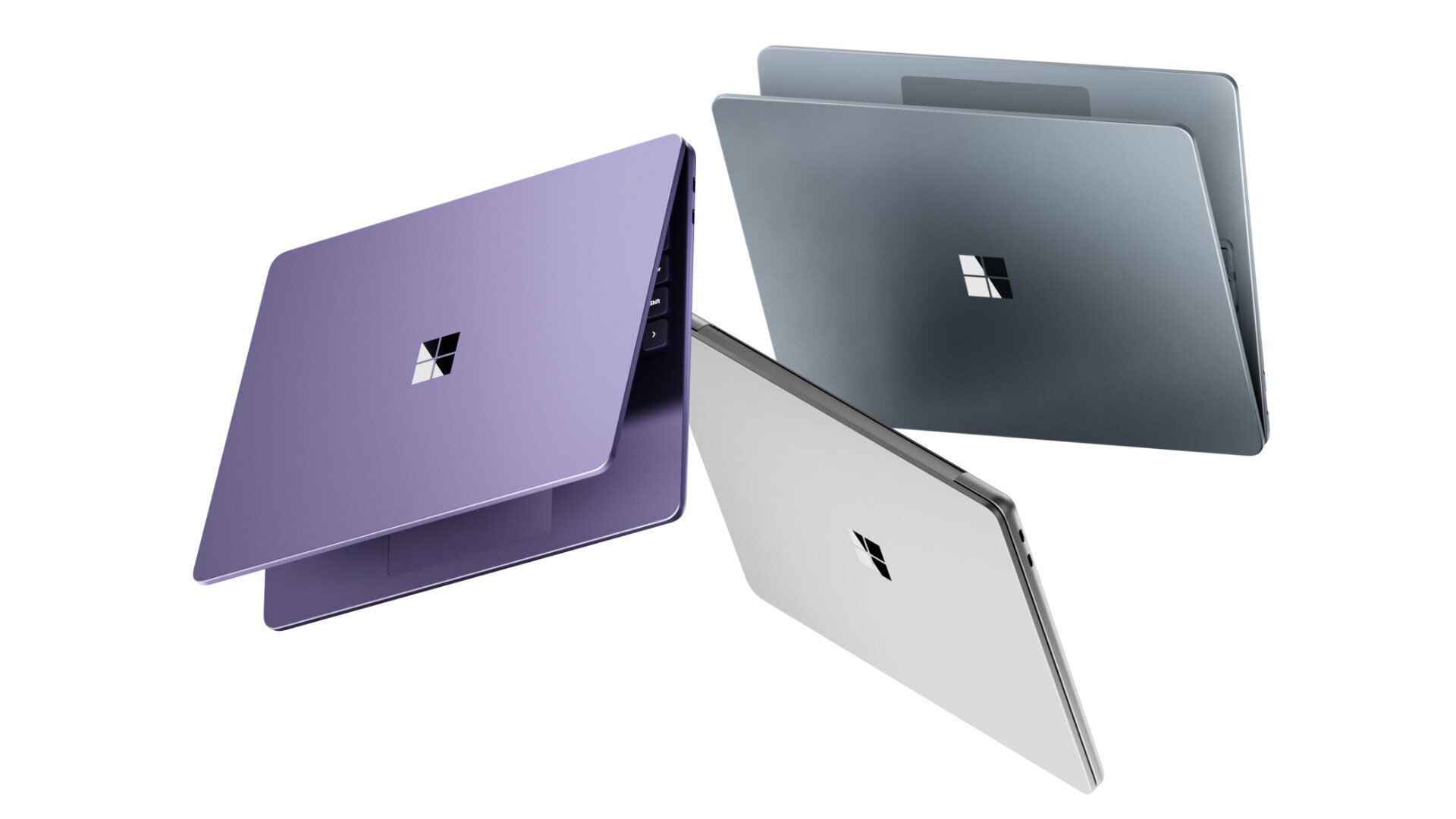
The Surface Laptop is Microsoft's flagship traditional clamshell laptop, sitting alongside the tablet-style Surface Pro in the company's device lineup. It's built for people who want a premium, no-compromise Windows experience: a high-quality touchscreen, a comfortable keyboard, solid build quality, and tight integration with Windows 11 and Microsoft 365.
Unlike the detachable Surface Pro, the Surface Laptop keeps a fixed keyboard and hinge design closer to what most people picture when they think "laptop." It's aimed at professionals, students, and creatives who want portability without sacrificing display quality or performance.
What's New in the 2026 (8th Edition) Surface Laptop
Microsoft's latest Surface Laptop generation introduces several notable updates:
Snapdragon X2 Processors
The new Surface Laptop is powered by Microsoft's latest Snapdragon X2 processors, replacing the previous Snapdragon X Elite chips. Microsoft says the new chip delivers up to 58% more graphics performance than the Snapdragon X Elite found in the previous-generation Surface Laptop 7. For everyday users, that translates into snappier multitasking, better video playback, and improved performance for AI-powered features baked into Windows 11.
Two Screen Sizes
The lineup arrives in 13.8-inch and 15-inch variants, both featuring touchscreen displays with 120Hz HDR panels and a built-in NPU (Neural Processing Unit) for on-device AI tasks like Windows Studio Effects and Copilot features.
Battery Life Claims
Battery life is the headline feature this generation. Microsoft claims the 13.8-inch model can last for up to 20 hours on a single charge a figure that, if accurate in real-world conditions, would put it near the top of the Windows laptop pack for endurance.
Pricing Shifts
Here's where things get complicated. The flagship Snapdragon X2 configuration starts at a whopping $1,600 with 16GB of RAM and 512GB of storage. At the same time, Microsoft introduced a budget option that costs less than $1,000 but only has 8GB of RAM half what it used to be with last-gen performance. This split reflects a broader industry problem: an ongoing RAM pricing crisis, driven partly by AI data centers consuming memory capacity, has affected pricing across the entire PC industry, not just Microsoft's lineup.
Intel Option for Business
For enterprise buyers, Microsoft also offers a Surface Laptop for Business in 13.8 or 15-inch sizes with an Intel Core Ultra 5 or X7 processor, Windows 11 Pro, Intel AI Boost with 50 TOPS, Wi-Fi 7, LPDDR5x memory, and a removable Gen 4 SSD.
A New High-End Sibling
Later in 2026, Microsoft is expanding the lineup upward. At Computex 2026, Microsoft and NVIDIA announced the Surface Laptop Ultra, a 128GB RAM machine with a mini-LED display, built on NVIDIA's N1x silicon to compete with Qualcomm's Snapdragon X2 line. It's positioned for developers, AI workloads, and workstation-style tasks a clear signal that Microsoft wants a genuine power-user option beyond the now-discontinued Surface Laptop Studio.
Design and Build Quality
The Surface Laptop's design language hasn't changed dramatically and that's largely a good thing. It retains the anodized aluminum chassis, a comfortable keyboard deck, and a large precision touchpad that's become a hallmark of the line. One meaningful addition this generation is expanded haptic feedback across the touchpad, giving subtle tactile responses when snapping windows, scrubbing video, or working in creative apps.
Microsoft has also deepened its software partnerships Surface Laptop now ships with Affinity's professional-grade design, photo, and publishing tools pinned to the Start menu, ready to use as soon as you sign in.
Microsoft Surface Laptop vs. Dell Precision 5690
If the Surface Laptop is about portability and everyday polish, the Dell Precision 5690 exists on the opposite end of the spectrum: raw workstation power for engineers, 3D artists, and data scientists.
|
Feature
|
Microsoft Surface Laptop (8th Ed.)
|
Dell Precision 5690
|
|
Target user
|
Professionals, students, creatives
|
Engineers, 3D/CAD, data science, video pros
|
|
Processor
|
Snapdragon X2 (Arm) or Intel Core Ultra (Business models)
|
Intel Core Ultra (Meteor Lake), up to Ultra 9 185H
|
|
Graphics
|
Integrated NPU/GPU
|
Optional discrete NVIDIA RTX Ada GPUs
|
|
Starting price
|
~$1,000–$1,600 depending on config
|
~$2,300 and up
|
|
Display
|
13.8" or 15" touchscreen, 120Hz
|
16" WUXGA IPS or 4K OLED touch
|
|
Max RAM
|
Up to 64GB (Business Intel models)
|
Up to 64GB LPDDR5x
|
The Dell Precision 5690 is built around a 16-inch 4K display, powerful Core Ultra processors, and dual-GPU graphics designed for demanding workloads. Configurations offer NVIDIA RTX Ada Generation GPUs, up to the RTX 5000 Ada with 16GB of GDDR6 memory, along with up to 64GB of LPDDR5 RAM and fast PCIe Gen4 NVMe SSD storage. It also offers display choices ranging from a sharp WUXGA IPS panel to a high-resolution UHD+ OLED touchscreen, though both options are capped at a 60Hz refresh rate a limitation compared to the Surface Laptop's smoother 120Hz panels.
Bottom line: If you need discrete GPU horsepower for CAD, rendering, or machine learning work, the Precision 5690 justifies its higher price tag. If you want a lighter, more portable everyday machine with excellent battery life and a beautiful screen, the Surface Laptop is the better fit.
Where Convertibles Like the Lenovo Yoga Book 9 Fit In
Not everyone wants a traditional clamshell or a workstation. Lenovo's Yoga Book 9 series takes a completely different approach with dual-screen and 2-in-1 designs, and it's worth understanding as a third option in this comparison.
The Yoga Book 9i pairs two 14-inch glass OLED displays with no physical keyboard built in instead relying on included wireless peripherals like a keyboard, mouse, stand, and pen. It's a genuinely different way of working, letting users configure dual-screen multitasking setups that neither the Surface Laptop nor the Precision 5690 can replicate. However, that flexibility comes with a tradeoff: dual OLED panels are power-hungry, and battery life falls well short of a full workday.
If the Surface Laptop's 20-hour battery claim holds up, it will meaningfully outlast dual-screen designs like the Yoga Book 9 a real consideration for anyone who works away from a charger for extended periods.
Real-World Use Cases
The remote-working student: A 13.8-inch Surface Laptop with Snapdragon X2 is well-suited to note-taking, research, video calls, and light creative work, especially given the long battery-life claims and lightweight chassis.
The freelance video editor: Someone regularly exporting 4K footage or working in Premiere Pro would likely find the Dell Precision 5690's discrete NVIDIA RTX graphics far more capable than the Surface Laptop's integrated graphics, even though it sacrifices some portability.
The multitasking consultant: A professional who lives in spreadsheets, dashboards, and multiple browser windows at once might prefer the Yoga Book 9's dual-screen setup, accepting shorter battery life in exchange for more visible workspace.
Pros and Cons of the Microsoft Surface Laptop
Pros:
-
Strong battery life claims, especially on the 13.8-inch Snapdragon model
-
Bright, smooth 120Hz HDR touchscreen
-
Premium, understated build quality
-
Deep Windows 11 and Copilot integration
-
New Surface Laptop Ultra option coming for power users
Cons:
-
Pricing has climbed significantly, with the flagship configuration now starting at $1,600
-
The budget configuration cuts RAM to 8GB, which limits multitasking and disqualifies it from Copilot+ AI features
-
No discrete GPU option for demanding creative or engineering workloads
-
Snapdragon (Arm) models can face app compatibility quirks with some legacy Windows software
Frequently Asked Questions
Is the Microsoft Surface Laptop good for gaming? Not really. It's designed for productivity, not gaming there's no discrete GPU, so it can handle light or casual titles but isn't built for demanding games.
How does Surface Laptop battery life compare to competitors? Microsoft's claimed 20-hour figure for the 13.8-inch model would place it among the longest-lasting Windows laptops available, though real-world results typically fall short of manufacturer testing conditions.
Is the Dell Precision 5690 overkill for everyday use? For most everyday tasks, yes. It's a mobile workstation built for CAD, 3D rendering, and data-heavy workloads a Surface Laptop or similar ultraportable is a better fit for general use.
Can I get a Surface Laptop with a discrete GPU? Not currently in the standard lineup. Microsoft's upcoming Surface Laptop Ultra, built with NVIDIA, is aimed at closing this gap for power users later in 2026.
Is 8GB of RAM enough on the budget Surface Laptop model? It's workable for basic browsing and document editing, but it will feel limiting for heavier multitasking and won't support the full range of Copilot+ AI features, which require 16GB or more.
Conclusion: Which Laptop Should You Choose?
The Microsoft Surface Laptop's 2026 refresh brings genuine upgrades a faster Snapdragon X2 platform, a smoother 120Hz display, and ambitious battery life claims but it also arrives at a higher price point shaped by industry-wide memory shortages. For most everyday professionals, students, and creatives, it remains one of the most polished Windows laptops available.
If your work demands serious graphics horsepower, the Dell Precision 5690 is the stronger choice. If you want a radically different, dual-screen way of working, the Lenovo Yoga Book 9 is worth a look, provided you're comfortable charging more often.
Which laptop fits your workflow best? Drop a comment below with your use case, share this guide with anyone shopping for a new laptop this year, and check back as Microsoft's Surface Laptop Ultra launches later in 2026.







 Search in Photos
 Search in Albums
 Search in Members
 Search in Articles
 Search in Blogs
 Search in Businesses
 Search in Events
 Search in Groups
 Search in Listings
 Search in Music Albums
 Search in Music Songs
 Search in Pages
 Search in Questions
 Search in Quotes
 Search in Recepies
 Search in Thoughts
 Search in Videos
 Search in Wishes
 Search in Prayers