Choose a test user to login and take a site tour.
To continue using the site you need to read the revised version and agree to the policies
Search in Photos
Search in Albums
Search in Members
Search in Articles
Search in Blogs
Search in Businesses
Search in Events
Search in Groups
Search in Listings
Search in Music Albums
Search in Music Songs
Search in Pages
Search in Questions
Search in Quotes
Search in Recepies
Search in Thoughts
Search in Videos
Search in Channels
Search in Wishes
Search in Prayers
Search in Discussions
Search in Products
Search in Jobs
Search in Products
9 minutes, 17 seconds
-93 Views 0 Comments 0 Likes 0 Reviews
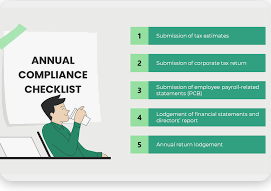
Every successful business depends on more than sales, marketing, and customer growth. Every solid firm has a robust operational system that guarantees the proper handling of legal, financial, and legal requirements all year long. This is where an Annual Compliance Checklist becomes essential. It acts as a structured guide that helps businesses stay organized, avoid penalties, and maintain professional credibility in an increasingly regulated business environment.
Modern companies operate under constant legal and financial obligations. Missing important deadlines, ignoring documentation requirements, or failing to update records can create serious consequences for businesses of any size. An annual compliance checklist simplifies this process by creating a clear roadmap for mandatory tasks and recurring responsibilities.
If you want to learn about Statutory Compliance Calendar India: A Smart Business Tool for Regulatory Success the enforceability of Non-Compete Clauses in modern employment contracts, this guide will help you understand everything step by step in a simple way.
As industries continue evolving and regulations become more digital, businesses are recognizing that compliance management is not just about avoiding risks — it is about building long-term sustainability and operational confidence.
An annual compliance checklist is a systematic schedule of all mandatory legal, financial, tax, and corporate obligations that a business must complete within a financial year. It helps organizations monitor deadlines, maintain records, and ensure every department fulfills its responsibilities accurately.
The checklist usually covers areas such as:
Tax filings
Financial reporting
Employee compliance
Business license renewals
Corporate governance
Audit preparation
Regulatory documentation
Contract reviews
Data protection requirements
Instead of managing compliance reactively, businesses use annual checklists to stay proactive and organized throughout the year.
Many organizations underestimate the importance of compliance until they face penalties, legal notices, or operational disruptions. A structured Annual compliance checklist reduces these risks significantly.
In the absence of adequate tracking systems, companies frequently face:
Missed deadlines
Incomplete documentation
Last-minute filing pressure
Financial penalties
Regulatory scrutiny
Internal confusion
A compliance checklist creates clarity by assigning responsibilities, setting timelines, and ensuring accountability across teams.
For growing companies, this structure becomes especially important because operational complexity increases rapidly with expansion.
In today’s corporate environment, compliance directly affects business reputation and investor confidence. Companies with strong compliance systems are often viewed as more reliable, transparent, and professionally managed.
Clients, investors, and financial institutions prefer working with businesses that demonstrate operational discipline and proper governance standards.
An annual compliance checklist helps organizations maintain consistency while improving trust among stakeholders.
Different industries may have unique compliance requirements, but several core areas remain important for nearly every business.
Financial reporting is one of the most critical parts of annual compliance management. Businesses must maintain accurate records, prepare balance sheets, complete audits, and file tax returns according to government regulations.
Proper financial compliance also improves budgeting, forecasting, and long-term planning.
Tax-related compliance includes income tax filings, GST returns, TDS submissions, and advance tax payments where applicable.
Failure to meet tax obligations can result in heavy penalties and increased regulatory attention.
Businesses must regularly manage employee-related obligations such as salary records, provident fund contributions, labor law requirements, insurance filings, and workplace policies.
Maintaining employee compliance not only avoids legal problems but also improves organizational transparency.
Registered companies often need to complete annual board meetings, maintain statutory registers, file corporate returns, and document important resolutions.
Corporate governance compliance ensures businesses operate responsibly and ethically.
Technology is transforming how businesses handle compliance responsibilities. Digital platforms, automated reminders, and cloud-based management systems now help organizations track deadlines more efficiently.
Modern compliance software can:
Send automatic filing reminders
Store digital records securely
Monitor regulatory updates
Generate compliance reports
Improve document accessibility
These tools reduce manual errors while helping businesses maintain better operational control.
As regulatory systems become increasingly digital, businesses that embrace technology gain significant advantages in compliance management.
Many companies initially see compliance as administrative work, but an organized system can actually improve overall business productivity.
When deadlines are planned in advance, teams can work more efficiently without constant last-minute pressure.
A structured checklist clearly defines responsibilities, helping departments communicate more effectively and avoid confusion.
Well-maintained records provide accurate financial and operational insights that support better business decisions.
The danger of fines, legal issues, and reputational harm is decreased by proactive compliance management.
Small businesses and startups often focus heavily on sales and growth while neglecting compliance planning. However, early-stage compliance mistakes can become expensive problems later.
An annual compliance checklist helps smaller organizations build professional habits from the beginning. Even simple tracking systems can prevent missed filings and unnecessary complications.
For startups seeking investors or partnerships, organized compliance records also improve business credibility.
Reputation plays a major role in modern business success. Companies known for transparency and operational discipline often attract better opportunities, partnerships, and customer trust.
Poor compliance management can damage brand image quickly, especially in industries where regulations are strict or highly visible.
An annual compliance checklist helps businesses protect their reputation by ensuring responsibilities are consistently handled professionally.
Compliance management is becoming increasingly automated, data-driven, and technology-focused. Artificial intelligence, predictive analytics, and integrated reporting systems are expected to shape the future of business compliance.
Companies that develop organized compliance systems today will adapt more easily to future regulatory changes and digital transformation requirements.
Businesses are also moving toward real-time compliance monitoring instead of relying only on year-end reviews.
A successful compliance system requires more than documents and deadlines. Businesses must create a culture where accountability, accuracy, and transparency are prioritized throughout the organization.
Training employees, updating internal policies, and reviewing compliance procedures regularly all contribute to long-term success.
Leadership involvement also plays a critical role in ensuring compliance remains a strategic priority rather than an afterthought.
An Annual Compliance Checklist is not simply an administrative document — it is a strategic business tool that supports stability, professionalism, and sustainable growth. In today’s fast-changing regulatory environment, businesses that manage compliance effectively gain stronger operational control and reduced financial risk.
From tax filings and financial reporting to employee obligations and corporate governance, organized compliance management helps businesses operate with confidence and credibility.
Companies that prioritize compliance today are far better prepared for long-term success, regulatory changes, and future expansion in an increasingly competitive business landscape.
We are a secure community with 5000+ active members who help you with your queries, post new updates and grow your network.
Gurugram, India
Copyright ©2026